Pleione Orchids
Orchids bring distinctive blooms and character to indoor or sheltered spaces. Different types have their own light, watering and temperature needs, so use each plant listing for care notes, growing preferences and current availability.
Pleione Orchid Growing GuideOpen for potting, watering and seasonal care advice
Pleiones are small, semi-hardy orchids with beautiful flowers and a distinct seasonal rhythm. Give them a cool, dry winter rest, gentle watering as new roots emerge, and reliable moisture while they are actively growing.
Adapted from Denis Hughes’ growing notes, originally published on 20 June 2014. Denis began growing pleiones in 1962. The calendar below reflects his experience in southern New Zealand; adjust timing to your local climate and the growth of your plants.
Understanding the growing cycle
In the wild, pleiones grow in mountainous habitats on mossy trees, rotting logs, rocks and pockets of soil. Their summers are moist and relatively warm, while winters are cold and dry.
During winter dormancy, the leaves and old roots die back, leaving a plump pseudobulb. This is a normal part of the cycle. New shoots and roots develop as growth resumes.
Choose a sheltered growing position
Provide shade, good air movement and protection from frost while plants are in growth. A well-ventilated shaded greenhouse, shadehouse or sheltered patio can be suitable. Denis used 30% shade during the growing season in southern New Zealand; warmer northern areas may need more shade.
Outdoor growing is possible in suitable parts of New Zealand. Choose a shaded raised bed with an open growing mix and protection from winter rain, such as beneath the eaves on the south side of a house. Vigorous forms of Pleione formosana are a good starting point.
Potting and growing mix
Pleiones have shallow roots and suit shallow pots or pans, traditionally clay. Plant them close together in groups. Clean and sterilise reused containers before repotting to reduce fungal problems.
Denis’ preferred mix contains equal parts:
- Crushed pine bark
- Rotted pine needles
- Coarse peat moss
- Chopped sphagnum moss, cut into lengths of about 6 mm
Place the coarsest material at the bottom of the pot and finer material around the pseudobulbs. Keep the mix loose, open and well drained; do not compact it.
For a small collection, the original notes suggest a good indoor plant potting mix with the addition of 25% chopped sphagnum moss.
Water according to growth
- Early spring: Keep the mix only slightly damp as new roots emerge. Heavy watering at this stage can damage roots and cause rot.
- Active growth: Once roots are established, water regularly and avoid letting the mix dry out. Plants benefit from a humid atmosphere and good ventilation.
- Autumn: Reduce watering as leaves yellow and growth finishes.
- Winter dormancy: Provide a cool rest with dry growing mix.
Feeding
Feed during active growth. Denis used either controlled-release fertiliser or liquid feeding. His original controlled-release recommendation was one 5 ml teaspoon of nine-month Osmocote Plus per 200 mm pot or 5 litres of mix, applied as flowering approached. Check the label of the product you use, as formulations and application rates may differ.
For liquid feeding, his routine used Peters Orchid Special at half the normal dilution rate from October, changing to Peters Blossom Booster at half rate at the end of January. These are the products named in the original notes. Additional liquid feeding was not considered necessary when using Osmocote.
Seasonal care calendar
July — pot up before growth begins
Pot pseudobulbs just before growth starts, with coarse mix below and finer mix above. Set each pseudobulb about halfway into the mix. Keep the mix only damp and wait for buds to appear before watering.
August — begin watering carefully
Flower buds usually appear towards the end of the month in Denis’ southern growing conditions. Begin watering gently, keeping the mix on the dry side while the new roots develop.
September — enjoy the flowers
Many plants are in bloom. Maintain shade and air movement. In a greenhouse, good ventilation or a gently circulating fan can help.
October — support leaf growth
Leaves grow rapidly as flowers fade. Begin liquid feeding if you are not using controlled-release fertiliser. Remove old flower stalks to prevent seed production and encourage vegetative increase.
November to February — maintain moisture and avoid overheating
Plants need plenty of water, humidity and air around their roots. Keep them cool and semi-shaded; the original notes give 32°C as the maximum tolerable daytime temperature. Last season’s pseudobulb will brown, shrink and wither as the new growth develops.
If liquid feeding, change to the flowering formulation at half rate at the end of January, following the original routine above.
April to May — prepare for dormancy
As leaves yellow, reduce watering. Over roughly three weeks the leaves brown and the roots die back. Once dormant, bulbs can be lifted or divided if needed. Protect the dormant buds at the base of each pseudobulb: these produce the next season’s plants and flowers.
Propagation
Vigorous forms of P. formosana and hybrids such as Pleione Versailles can increase naturally by two to four times. The old pseudobulb may produce one to three small bulbils at its top, along with one or two flowering-sized replacement bulbs.
Pests and flower damage
Check regularly for aphids, mealybugs, scale and red spider mites. Aphids can distort leaves and flowers and transmit viruses. Spider mites are a particular concern in dry conditions. Slugs and snails can damage tender leaves and flowers.
Bees may occasionally dislodge pollen, causing an individual flower to collapse.
Choosing species and hybrids
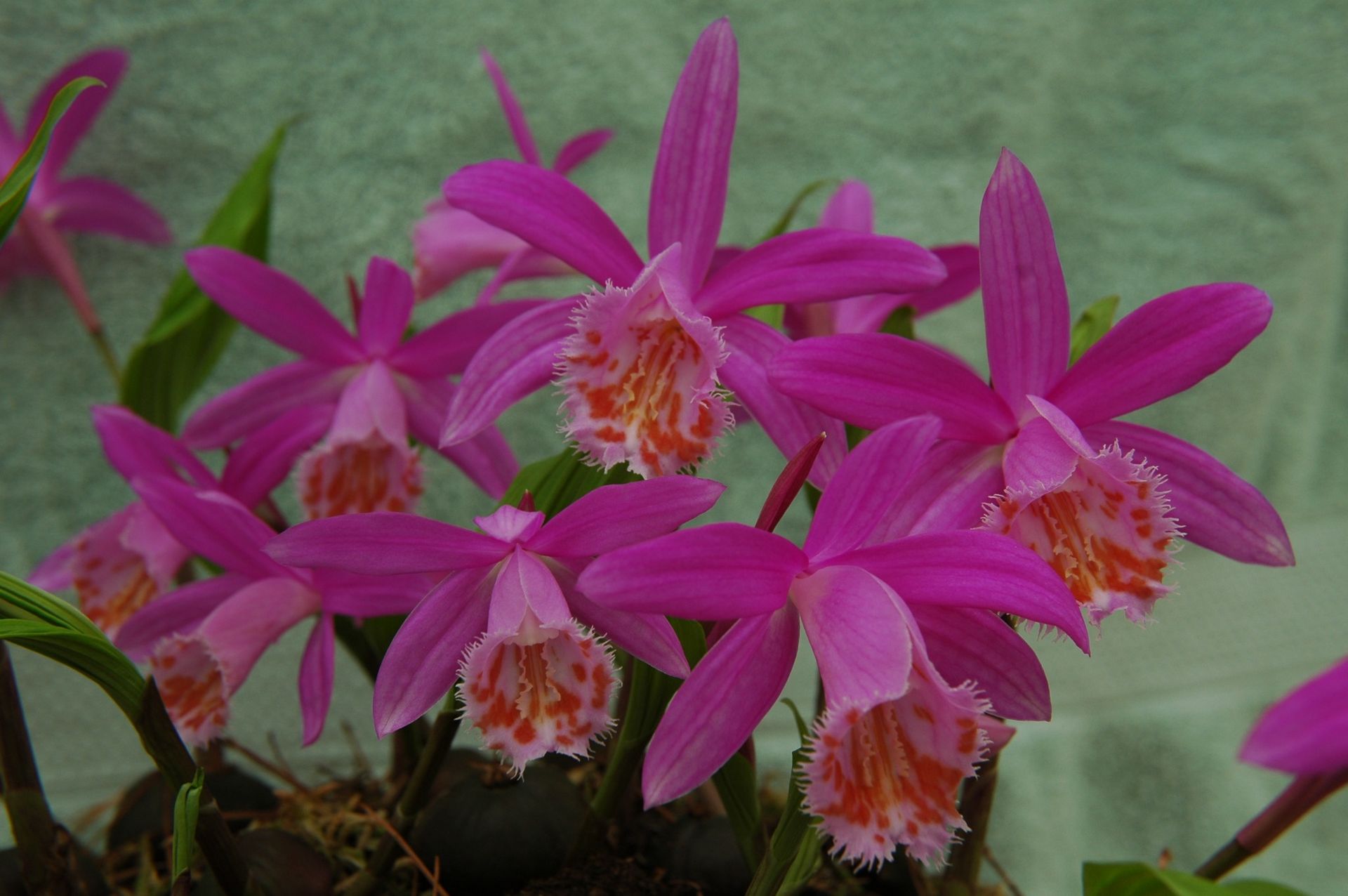
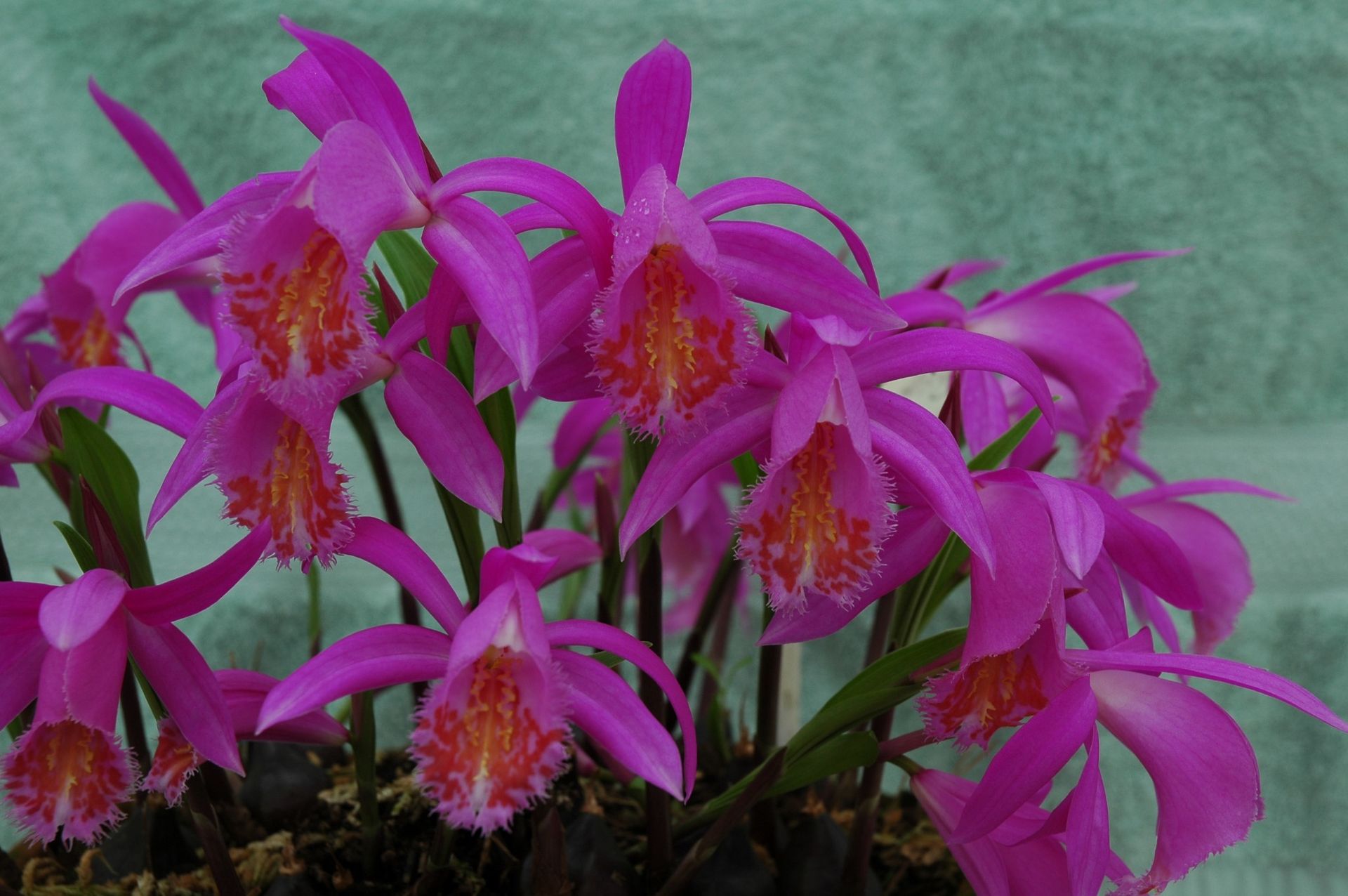
Pleione formosana is Denis’ first choice for beginners, with forms ranging from pink to pure white. Blue Mountain Nurseries also developed P. formosana ‘Silver Lining’, with white-edged foliage.
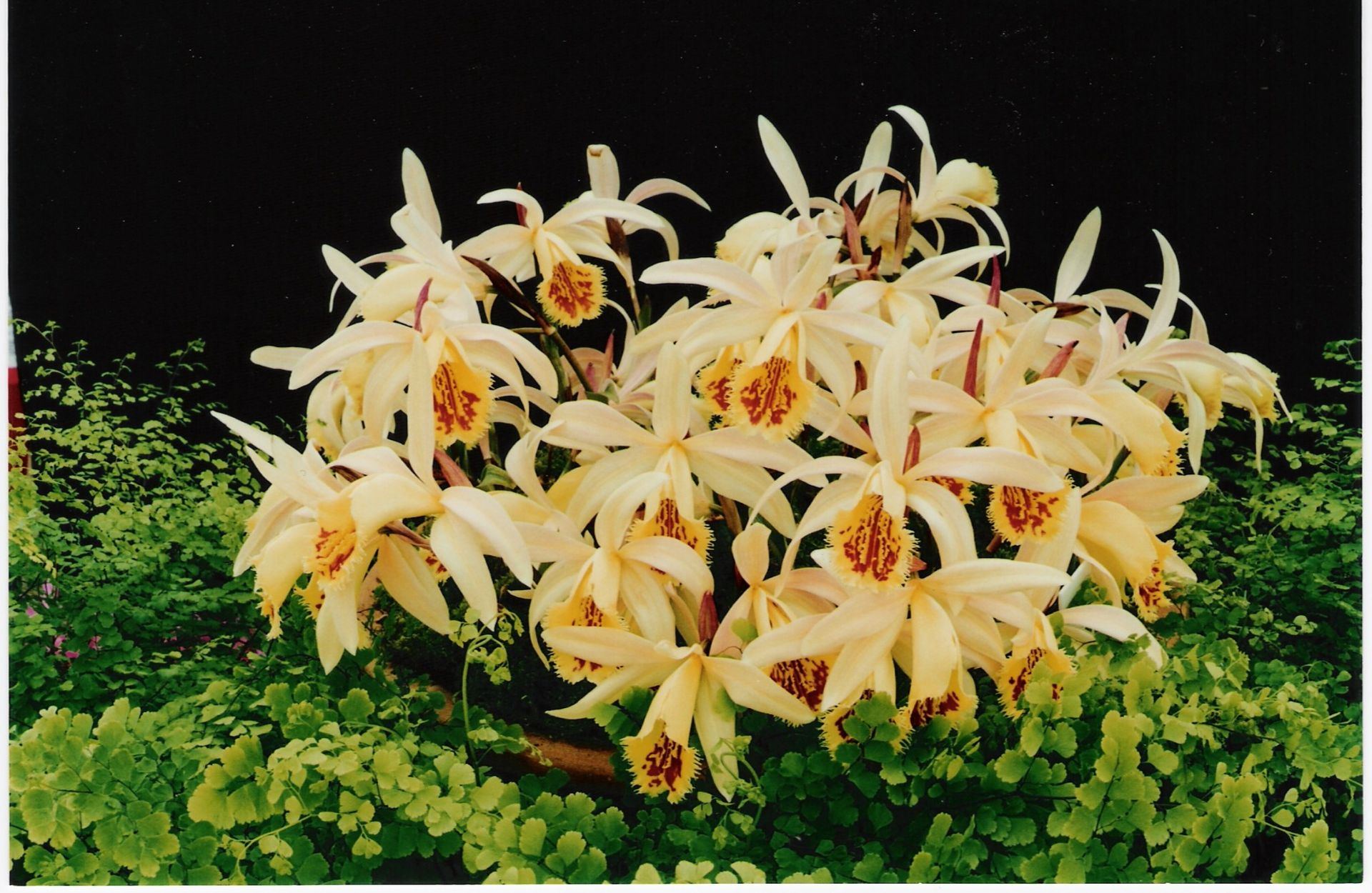
Other species mentioned in the notes include the deep pink to purple P. bulbocodioides and rose-purple P. speciosa. Yellow-flowered P. forrestii and the natural hybrid P. × confusa need particularly cool conditions.
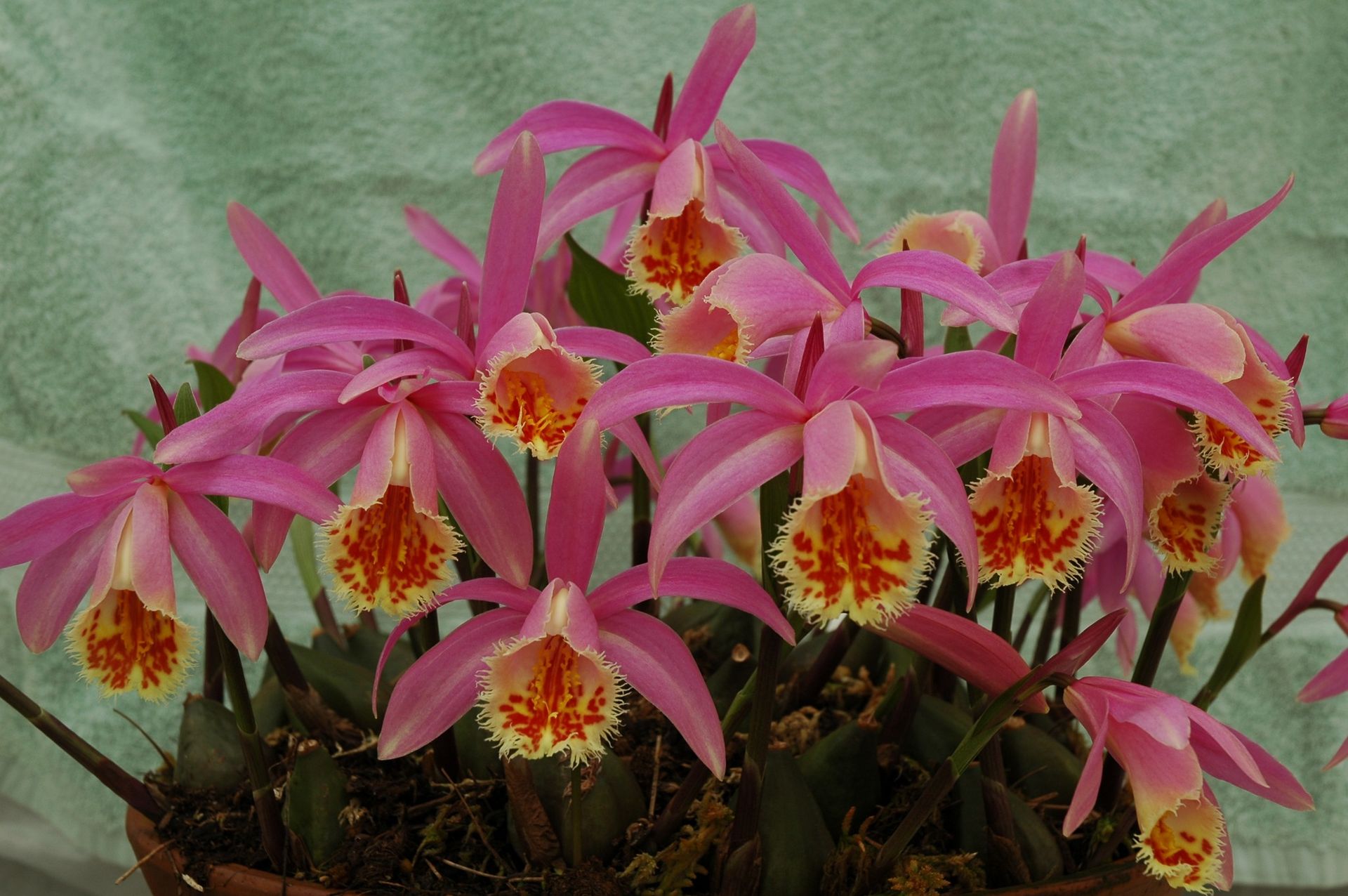
Hybrids recommended in the original guide include Pleione Alishan, El Pico, Erebus, Piton, Shantung, Versailles and Vesuvius. Please check current availability with the nursery.
Ask the Blue Mountain Nurseries team about growing Pleione orchids